
How a Teflon Film Roll Provides Unmatched Chemical and Thermal Protection?
Industrial machines often face heat, chemicals, friction, and constant use. These conditions can wear down surfaces over time. They can also cause parts to stick, crack, stain, or lose their strength. The right protective material can help prevent these issues and keep equipment running smoothly.
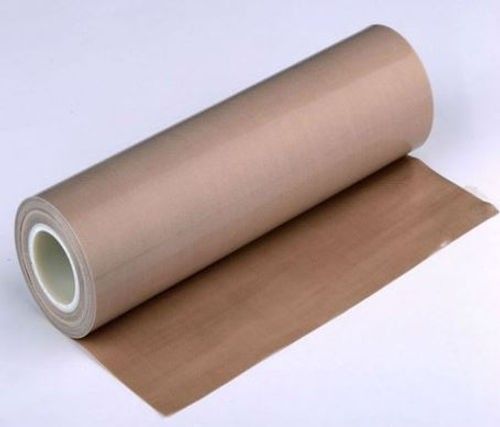
A teflon film roll offers a simple way to protect surfaces from many harsh conditions. PTFE, the material used to make this film, has strong chemical resistance and excellent heat stability. It also has a smooth, non-stick surface. Because of this mix of features, PTFE film works well in many demanding industrial tasks.
Why PTFE Film Stands Out
PTFE has a very stable chemical structure. Its strong carbon-fluorine bonds make it hard for many chemicals to react with the material. As a result, PTFE can resist many acids, bases, solvents, oils, and other harsh substances.
This does not mean it can handle every chemical in every situation. Temperature, chemical strength, pressure, and exposure time all matter. Still, PTFE gives users a strong line of defense when ordinary materials may struggle.
Heat? No Big Deal
High heat can cause many common plastics to soften, warp, or break down. PTFE handles heat much better. It stays stable across a wide temperature range, which makes it useful around hot machinery and processing equipment.
PTFE film can also help protect surfaces from direct contact with heat. It may be used near heating elements, sealing areas, and other hot parts. However, users should always check the working temperature and conditions before choosing a film.
Chemical Resistance That Goes the Extra Mile
Chemical spills and splashes can damage exposed surfaces. Some materials may swell, stain, crack, or become weak after contact with aggressive chemicals. PTFE helps reduce this risk by acting as a protective barrier.
The film can separate a sensitive surface from many harsh substances. This can help limit surface damage and extend service life. Even so, users should check chemical compatibility before putting the film into a demanding environment.
Smooth Sailing With Low Friction
Heat and chemicals are only part of the story. PTFE also has a very low friction level. This allows other surfaces to slide across it with less resistance. That simple feature can make a big difference in moving parts.
Lower friction can also help reduce wear. When two surfaces rub together, they can create heat and lose material. A PTFE film layer can help create a smoother contact point and support more reliable movement.
Non-Stick Performance Comes in Handy
Nobody likes dealing with materials that stick to equipment. It can slow down production and make cleaning harder. PTFE has a naturally non-stick surface, so many materials release more easily from it.
This feature makes PTFE useful in manufacturing and processing work. It can help reduce buildup and make surfaces easier to clean. In turn, that can save time during routine work and maintenance.
Adhesive Backing Makes Installation Easier
Loose sheets can shift when machines vibrate or parts move. That can create gaps and reduce protection. An adhesive backed teflon sheet offers a handy solution because the adhesive layer helps keep the material in place.
This design can make installation faster and more convenient. It works well when users need a thin protective layer that stays attached to a surface. However, adhesive strength depends on the surface and working conditions.
Get the Surface Ready First
Good installation starts with a clean surface. Dust, oil, grease, and moisture can reduce adhesion. Therefore, users should clean the area and let it dry fully before applying an adhesive-backed film.
The surface should also be fairly smooth. Once the film is ready to apply, place it carefully and press it down evenly. Take your time during this step. A rushed job can trap air or create weak spots.
Pick the Right Film for the Job
Not every application needs the same film. Thickness plays an important role. A thin film may work well for light surface protection, while a thicker option may suit jobs that involve more wear or pressure.
Temperature and chemical exposure also deserve close attention. Think about what the film will face each day. Look at heat, pressure, movement, chemicals, and contact time before making a choice. A little planning can prevent a lot of trouble later.
More Than Just Heat Protection
PTFE film offers several useful features at once. Along with heat and chemical resistance, it provides electrical insulation. This makes it useful for certain electrical and electronic applications where a stable insulating layer is needed.
The material also resists moisture and many environmental conditions. Its smooth surface can reduce friction, while its non-stick nature can help with clean release. In other words, one layer can solve several surface problems at the same time.
Keep Wear and Tear in Check
Industrial equipment often runs for long hours. Constant movement, pressure, and heat can slowly damage exposed surfaces. A PTFE film can create a barrier that helps reduce direct contact and surface wear.
Regular checks still matter, though. Look for worn areas, lifted edges, tears, or signs of poor adhesion. Replace damaged film when needed. This small step can help prevent bigger maintenance issues down the road.
Conclusion
Industrial surfaces need protection when they face heat, chemicals, friction, and repeated use. PTFE film offers a strong answer because it combines several useful properties in one material. Its heat stability, chemical resistance, low friction, and non-stick surface make it a practical choice for demanding work.
An adhesive backed teflon sheet can make the job even easier when secure placement matters. With the right film, careful surface preparation, and regular checks, businesses can protect key surfaces and keep equipment working smoothly for longer.